Mon to Fri: 9:00am to 6:00pm


Have Questions?
Mon to Fri: 9:00am to 6:00pm
Kochi

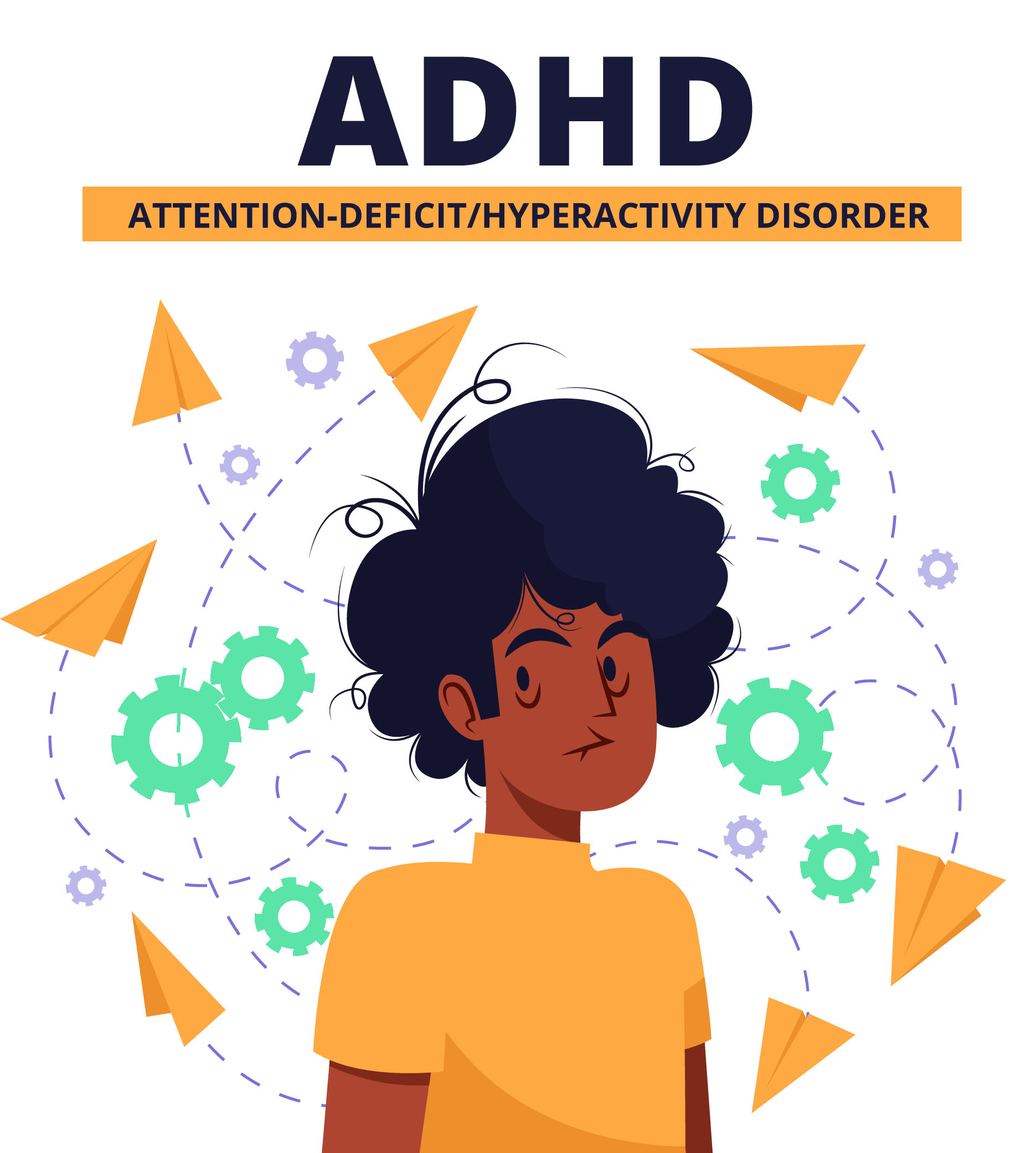
Attention-deficit/hyperactivity disorder (ADHD) is one of the most common mental disorders affecting children. Symptoms of ADHD include inattention (not being able to keep focus), hyperactivity (excess movement that is not fitting to the setting) and impulsivity (hasty acts that occur in the moment without thought). ADHD is considered a chronic and debilitating disorder and is known to impact the individual in many aspects of their life including academic and professional achievements, interpersonal relationships, and daily functioning (Harpin, 2005). ADHD can lead to poor self-esteem and social function in children when not appropriately treated (Harpin et al., 2016). Adults with ADHD may experience poor self-worth, sensitivity towards criticism, and increased self-criticism possibly stemming from higher levels of criticism throughout life (Beaton, et al., 2022).
An estimated 8.4% of children and 2.5% of adults have ADHD (Danielson, 2018; Simon, et al., 2009). ADHD is often first identified in school-aged children when it leads to disruption in the classroom or problems with schoolwork. It is more commonly diagnosed among boys than girls given differences in how the symptoms present. However, this does not mean that boys are more likely to have ADHD. Boys tend to present with hyperactivity and other externalizing symptoms whereas girls tend to have inactivity.
SYMPTOMS AND DIAGNOSIS
Many children may have difficulties sitting still, waiting their turn, paying attention, being fidgety, and acting impulsively. However, children who meet diagnostic criteria for ADHD, differ in that their symptoms of hyperactivity, impulsivity, organization, and/or inattention are noticeably greater than expected for their age or developmental level. These symptoms lead to significant suffering and cause problems at home, at school or work, and in relationships. The observed symptoms are not the result of an individual being defiant or not being able to understand tasks or instructions.
There are three main types of ADHD:
A diagnosis is based on the presence of persistent symptoms that have occurred over a period of time and are noticeable over the past six months. While ADHD can be diagnosed at any age, this disorder begins in childhood. When considering the diagnosis, the symptoms must be present before the individual is 12 years old and must have caused difficulties in more than one setting. For instance, the symptoms can not only occur at home.
Inattentive type
Inattentive refers to challenges with staying on task, focusing, and organization.Doesn’t pay close attention to details or makes careless mistakes in school or job tasks.
Forgets daily tasks, such as doing chores and running errands. Older teens and adults may forget to return phone calls, pay bills and keep appointments.
Hyperactive/impulsive type
Hyperactivity refers to excessive movement such as fidgeting, excessive energy, not sitting still, and being talkative. Impulsivity refers to decisions or actions taken without thinking through the consequences. Fidgets with or taps hands or feet, or squirms in seat.
Combined type
This type of ADHD is diagnosed when both criteria for both inattentive and hyperactive/impulse types are met.
ADHD is typically diagnosed by mental health providers or primary care providers. A psychiatric evaluation will include a description of symptoms from the patient and caregivers, completion of scales and questionnaires by patient, caregivers and teachers, complete psychiatric and medical history, family history, and information regarding education, environment, and upbringing. It may also include a referral for medical evaluation to rule out other medical conditions.
It is important to note that several conditions can mimic ADHD such as learning disorders, mood disorders, anxiety, substance use, head injuries, thyroid conditions, and use of some medications such as steroids (Austerman, 2015). ADHD may also co-exist with other mental health conditions, such as oppositional defiant disorder or conduct disorder, anxiety disorders, and learning disorders (Austerman, 2015). Thus, a full psychiatric evaluation is very important. There are no specific blood tests or routine imaging for ADHD diagnosis. Sometimes, patients may be referred for additional psychological testing (such as neuropsychological or psychoeducational testing) or may undergo computer-based tests to assess the severity of symptoms